
Na indústria alimentícia, a busca por qualidade, segurança e variabilidade de produtos exige processos cada vez mais flexíveis, ágeis e bem controlados. Nesse contexto, o conceito de Human Augmentation torna-se central ao aprimorar as capacidades físicas, cognitivas e sensoriais dos profissionais. Com sistemas inteligentes e conectados, aumenta-se o conhecimento sobre toda a operação, garantindo integração de dados e decisões mais automatizadas e embasadas.
Essa abordagem vai além da automação tradicional, pois trata-se de usar sistemas inteligentes e conectados para elevar a performance da planta, com menor risco de erro humano. Por exemplo, em uma linha de produção de biscoito, tarefas tradicionais como alimentação de massa, dosagem de ingredientes, embalagem ou inspeção visual podem ser aprimoradas por meio de:
- Soluções de monitoramento;
- Sensores inteligentes;
- Sistemas de inspeção automática;
- Controle adaptativo.
Dessa forma, os operadores passam a atuar como supervisores de processo, com acesso a dashboards, alarmes inteligentes e recomendações de ação, em vez de realizarem intervenções manuais constantes. Como resultado, há uma diminuição de retrabalho e desperdícios, aumentando a visibilidade e conhecimento sobre todo o ciclo produtivo, desde a chegada da matéria-prima até a expedição do produto.
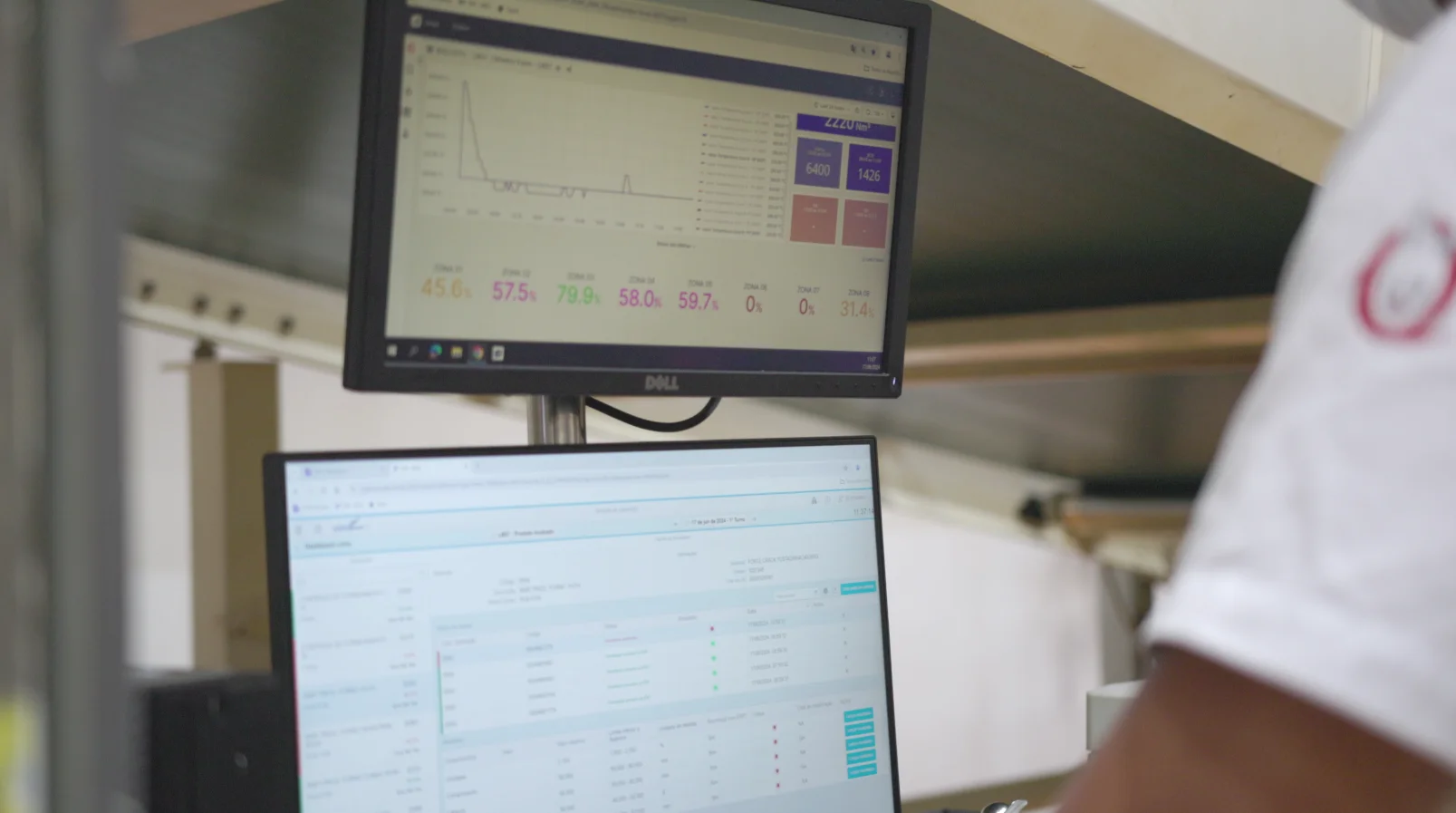
Como exemplo prático, algoritmos analisam continuamente variáveis críticas como umidade da massa, padrões de cor e espessura, atuando preventivamente para evitar paradas e desvios. Ao identificar anomalias e prever falhas antes que comprometam a qualidade do produto, o sistema garante maior estabilidade operacional. Dessa forma, a linha de produção de biscoitos torna-se autoadaptativa, aumentando produtividade e assegurando que cada lote atenda aos padrões exigidos, sem depender exclusivamente de experiência humana para ajustes corretivos.
Escalando Augmentation: integração com Lighthouse Factory
A evolução de Augmentation dentro das linhas produtivas cria base para um estágio ainda mais avançado de transformação industrial. Se Augmentation melhora unidades isoladas de tomada de decisão e controle, Lighthouse Factory integra essas capacidades em escala, conectando equipamentos, pessoas e dados em um ecossistema digital contínuo e de alta performance.
Como destaca a McKinsey & Company, uma Lighthouse Factory só alcança seu verdadeiro potencial quando tecnologias, pessoas e processos evoluem conjuntamente: “[…] o que transforma uma indústria Lighthouse não é apenas a adoção de tecnologias específicas ou casos de uso inovadores, mas a capacidade das pessoas e dos processos utilizarem essas tecnologias para gerar valor em escala em toda a organização”.
No segmento alimentício, na linha de produção de produção de biscoitos, essa transformação se torna concreta quando todo o processo, do preparo da massa ao empacotamento, passa a operar sob monitoramento inteligente: sensores passam a acompanhar o peso e umidade da massa, temperatura dos fornos, contagem de unidades e conformidade visual.
Nesse cenário, o chão de fábrica deixa de ser uma sequência desconectada de máquinas e passa a se comportar como uma rede constante de feedback orientada à eficiência, qualidade e agilidade. A integração inteligente do processo proporciona melhorias diretas no desempenho da linha:
- Menor tempo de setup para troca de formato ou sabor;
- Redução de desperdícios e defeitos;
- Visibilidade operacional;
- Melhora geral do OEE.
Além dos ganhos operacionais, Lighthouse Factory habilita respostas rápidas a mudanças de mercado, algo especialmente relevante no setor de alimentos, onde há alta variedade de sabores, formatos e embalagens. Linhas digitalmente conectadas permitem que novas receitas sejam configuradas com maior agilidade e que parâmetros sejam ajustados conforme preferências regionais ou demandas sazonais.
Por esse motivo, a jornada exige maturidade digital: padronização de dados, interoperabilidade entre TI e OT, segurança cibernética e qualificação humana. Com isso, o conceito de Lighthouse Factory consolida a visão de Augmentation como suporte ao operador, proporcionado mais estratégia e competitividade industrial. Nesse caso, as decisões deixam de ser reativas e passam a ser eficientes, proativas e sistemicamente inteligentes.
Controle inteligente na prática: conectando IA e CLP
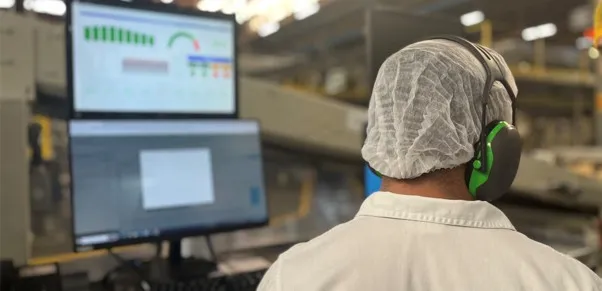
A evolução de Augmentation e Lighthouse Factory demonstra que além de enxergar o processo com profundidade, também é importante agir sobre eles de forma automatizada. Depois que algoritmos identificam uma anomalia ou oportunidade de ajuste, é fundamental que essa inteligência retorne ao processo para garantir que a otimização realmente aconteça. Nessa etapa, é importante fechar o ciclo do controle inteligente e transformar insights analíticos em comandos operacionais.
No contexto de uma indústria de alimentos, controle inteligente pode ser entendido como a capacidade de sistemas de supervisão ou plataformas analíticas de escreverem parâmetros, setpoints ou comandos diretamente em um CLP. Dessa forma, o processo é ajustado automaticamente com base em dados atualizados. Na produção de biscoitos, isso pode ser observado em situações como:
- Combinação de informações e cálculo de um novo setpoint de velocidade do forno ou de tempo de resfriamento;
- Escrita automática de valores de ajustes no CLP, eliminando a necessidade de intervenção direta do operador no controle.
Além disso, para garantir que ocorra com segurança e eficácia, algumas diretrizes são fundamentais:
- Preservar a segurança operacional e alimentar, assegurando que nenhum valor inserido compromete a conformidade ou a integridade da linha;
- Garantir comunicação robusta e rastreável, com validação de permissões e integridade dos comandos enviados ao CLP;
- Definir limites e faixas operacionais adequadas, evitando ajustes indevidos ou instabilidade no processo;
- Capacitar a equipe, para que os operadores compreendam os ajustes realizados pelo sistema, interpretem alertas e respondam a desvios;
- Monitorar o desempenho após os ajustes, confirmando que as ações aplicadas resultam em melhoria ou identificando quando novas intervenções são necessárias.
O conceito de controle inteligente representa o elo entre análise e ação, garantindo que melhorias identificadas por IA e sistemas cognitivos sejam aplicadas de forma automática no processo. Ele consolida o papel estratégico da tecnologia na redução do trabalho manual, no aumento do conhecimento sobre o processo e na tomada de decisão mais rápida, embasada e confiável.
Saiba mais sobre a ST-One.