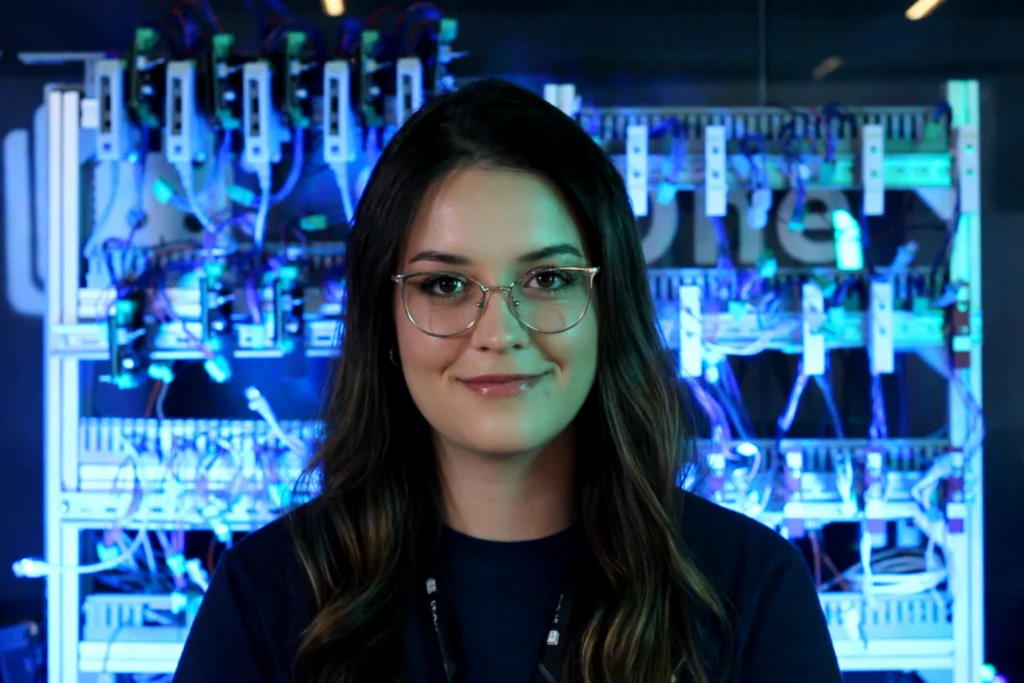
Participar de projetos no dia a dia é muito diferente do que apenas apresentar um relatório de resultados. Pensando nisso, a ST-One propôs uma forma alternativa de demonstrar como a execução acontece, de fato, dentro da rotina de uma planta industrial.
Para ilustrar esse cenário, a Analista de Automação da ST-One, Aline Simonini, compartilhou um dos projetos que mais se orgulha atualmente. Ela relata sobre sua experiência desde o ponto de partida da implementação da solução, até os desdobramentos construídos ao longo do processo.
Ao relembrar o contexto, ela conta que o projeto partia de uma limitação: havia apenas um sensor por linha disponível para coletar dados. Em vez de restringir a entrega ao básico, ela e a equipe decidiram explorar até onde seria possível ir com aquela realidade.
Eles buscaram extrair o máximo valor possível de um cenário com pouca informação automatizada, ampliando significativamente a visibilidade da operação: […] “o que o tornou essa implementação especial foi a capacidade da equipe de entregar uma solução extremamente completa e analítica, partindo de pouquíssimas informações iniciais.”
Outro fator que contribuiu para o andamento do projeto foi o envolvimento de uma referência interna que já compreendia os benefícios da solução. Esse apoio facilitou o engajamento das equipes e ajudou a dar fluidez à implementação.
[…] “Conseguimos mostrar para o cliente que o input de dados através de formulários conseguiria calcular e monitorar muito mais coisas diretamente na plataforma, tendo maior rastreabilidade e confiabilidade de informações.
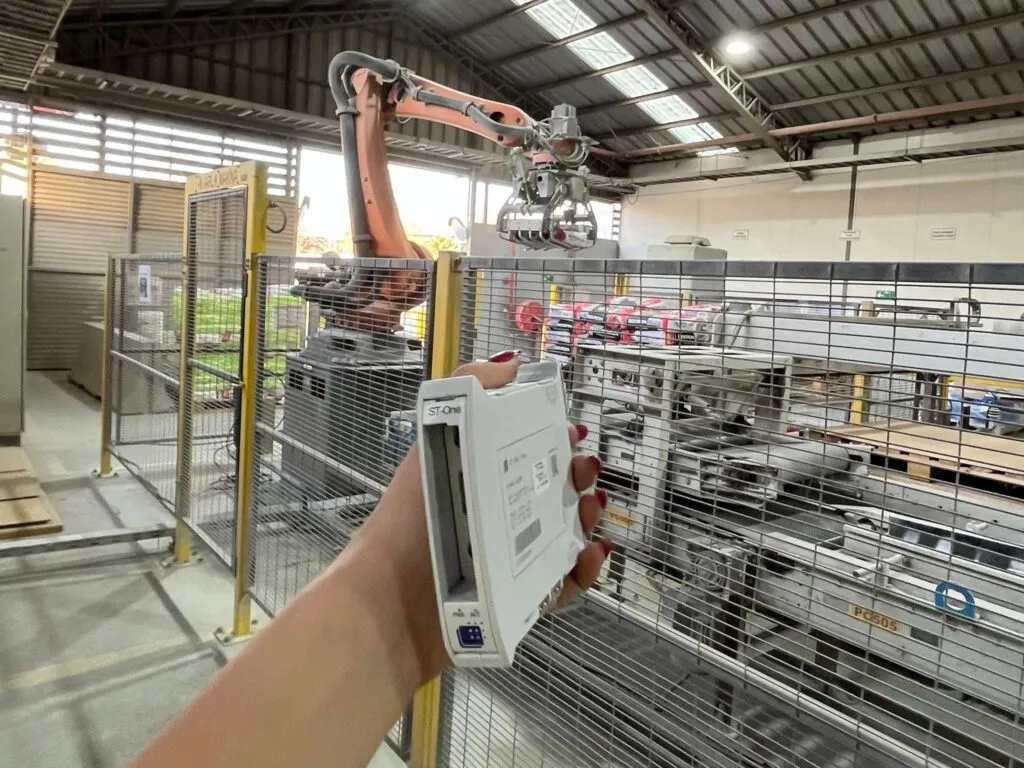
A implementação aconteceu de forma presencial e exigiu uma imersão direta na rotina da fábrica. Apesar da conectividade em si não ter sido um obstáculo, justamente por envolver poucos pontos de coleta, houve um desafio específico com o hardware escolhido inicialmente.
[…] “O sensor óptico instalado não se adaptava bem ao ambiente, já que o acúmulo de partículas comprometia a leitura. A solução foi recomendar a troca por um sensor mecânico, mais adequado às condições da operação”, Aline comenta.
A experiência por trás da implementação
Por trás da estruturação técnica de um projeto, existe também o repertório de quem o conduz. No caso de Aline, o caminho até a automação industrial não foi linear. O interesse inicial pela área de exatas levou à escolha por um curso que permitisse conciliar estudos e trabalho. Ao longo do tempo, a prática mostrou que a atuação poderia ir além da execução técnica.
A transição de uma função administrativa para a área de tecnologia marcou esse processo. Mesmo com mudanças de contexto e ritmo, foi na vivência direta com projetos que a construção de uma visão mais ampla de operação começou a se consolidar.
Atualmente, o que ela mais gosta é a parte de gestão dentro de projetos de automação. Isso inclui o contato com o cliente, o planejamento de atividades e cronogramas, conectando não apenas sistemas, mas também pessoas, rotinas e decisões.
Para a Aline, a experiência com projetos trouxe um aprendizado que passou a acompanhar todo seu trabalho dali em diante: a ideia de que sempre existe uma forma de construir uma boa solução, mesmo quando as condições iniciais não são ideais: […] “hoje eu entendo que sempre existe uma forma de chegar no resultado que o cliente precisa, mesmo quando as informações são limitadas.”
Para ela, o que define um projeto bem executado vai além da entrega técnica. Cumprir o escopo e o cronograma é importante, mas o que realmente marca é a percepção de valor de quem está na operação, especialmente quando a entrega consegue ir além do que foi inicialmente solicitado.
[…] “Para além do indicador, a construção de um bom relacionamento e networking com o cliente também conta. Isso inclui a forma como a equipe se porta e conduz o projeto, podendo abrir portas para futuras expansões”, ela conclui.